

Between a laser peel and a chemical peel, the right pick usually comes down to your skin type, how much downtime you can handle, and what exactly you are trying to fix – pigmentation and texture respond beautifully to both, but the tools work in very different ways to get you there. A laser peel uses focused light energy, while a chemical peel uses an acid solution to exfoliate the skin’s surface. Neither one is “better” across the board. They are just built for different goals, budgets, and comfort levels, and once you understand how each works, the decision gets a lot easier.
A laser peel uses beams of light energy to remove damaged outer layers of skin and encourage new, healthier cells to replace them. The light energy goes exactly where the discoloration or damage is, so you’re not treating your whole face the same way when only part of it needs help.
This precision is part of why laser peels have become popular for people dealing with:
Sun damage and stubborn dark spots
Uneven skin tone
Fine lines around the eyes or mouth
Mild acne scarring or enlarged pores
Sessions typically involve a warming or mild tingling sensation, and most clients walk out with little more than light redness, similar to a mild sunburn. That redness usually fades within a day or two.
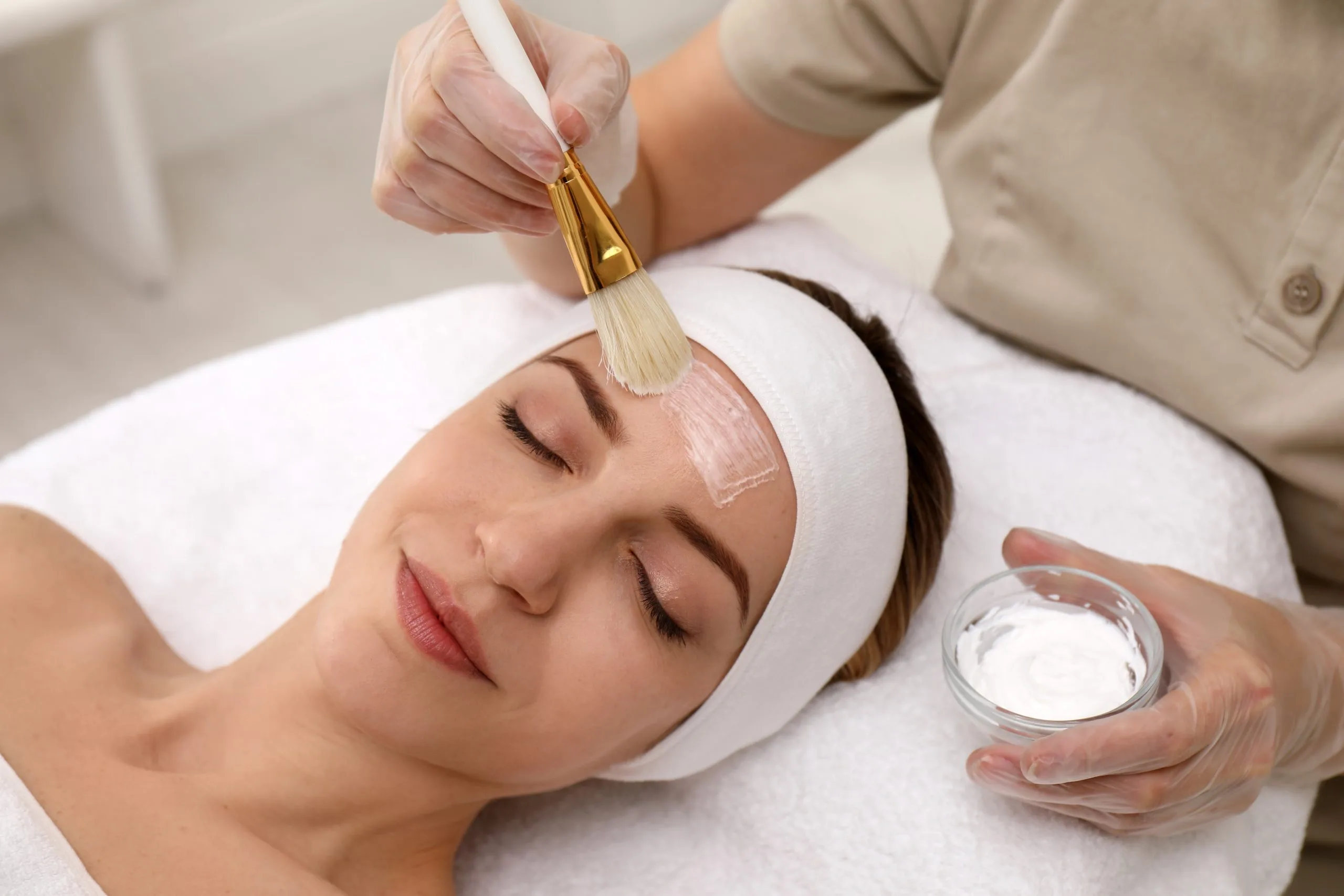
A chemical peel works differently. Instead of light, it uses a blend of exfoliating acids applied directly to the skin. The solution breaks down the outermost, damaged layer of cells so it can shed, revealing fresher skin underneath.
A lot of people picture the old Hollywood version of a chemical peel – bright red, peeling for a week, hiding indoors. Modern peels aren’t that dramatic anymore. We have gentle options that fit into someone’s lunch break just as easily as we have deeper peels for people who want more noticeable change and don’t mind a few days of visible flaking.
Chemical peels tend to shine for:
Hyperpigmentation and melasma
Acne-prone or breakout-prone skin
Rough texture and dullness
Fine lines and early signs of aging
Because peels come in different strengths, the recovery timeline can range from almost nothing to about a week of peeling and flaking, depending on how deep the treatment goes.

Very precise targeting of pigmentation and texture concerns
Minimal downtime for most sessions
Stimulates collagen production for firmer-looking skin over time
Gentle enough for a wide range of skin types
Session cost can run higher, generally $250–$750per treatment
Multiple sessions are often needed for full results
Not ideal for very deep scarring or dramatic resurfacing goals
Wide range of strengths, from light “lunchtime peels” to deeper resurfacing options
Effective for acne, breakouts, and post-acne marks
Often more budget-friendly, ranging from about $200–$600 depending on depth
Can be layered into a broader skincare routine over time
Deeper peels come with more visible peeling and flaking
Requires strict sun protection during healing
Not always suitable for very sensitive or reactive skin without careful formula selection
Here is where it gets personal, because “better” really depends on your skin and your schedule.
If you want something precise, gentle, and easy to fit into a busy week, a laser peel is often the more comfortable route. It is especially good if your main concerns are sun damage, uneven skin tone, or early fine lines, and you are not looking to deal with several days of visible peeling.
If your budget is tighter, or you are dealing with acne-related concerns like clogged pores and post-breakout marks, a chemical peel might get you there faster. It also gives your provider more flexibility to go deeper if your skin can handle it and you want more dramatic change in fewer sessions.
There isn’t a one-size-fits-all answer here. Someone with rosacea-prone skin and someone with acne scarring from years ago need completely different plans, even if they’re both asking about ‘a peel.’ That’s why the consultation matters so much more than the treatment name.
Many clients actually combine both approaches over time – starting with a series of chemical peels to address texture and pigment, then adding periodic laser peel sessions for maintenance and precision touch-ups. Others pair peels with treatments like microneedling or a HydraFacial to complete a full skin-rejuvenation plan.
Peels have a longer, stranger history than most people realize, and a few facts might change how you think about the treatment sitting on your calendar.
Ancient Egyptians were peeling skin thousands of years ago. Cleopatra reportedly bathed in sour milk, which contains lactic acid – the same gentle exfoliating acid found in many modern chemical peels today.
Your skin cells fully turn over roughly every 27 days on average – though that number slows down significantly as you age, which is part of why texture and tone changes become more noticeable in your 30s and beyond.
Peeling skin after a treatment is not actually the acid or laser “burning” you. It is your skin doing exactly what it is designed to do – shedding a damaged layer so a fresher one can surface. The visible flaking is a sign the process is working, not a warning sign.
Some fruit-based peels are gentle enough to use at home, but the acid concentrations used in a professional setting are far higher and more targeted, which is why results from an in-office treatment tend to be more noticeable and consistent.
Neither treatment is magic, and any provider who promises overnight perfection is not being honest with you. Both laser peels and chemical peels work by encouraging your skin to renew itself, a process that takes a little patience. Most clients see visible improvement within a few days to two weeks, with results continuing to build as the skin fully heals.
The clients who are happiest with their results are those who follow the aftercare instructions closely, especially regarding sun protection. You can have the best treatment in the world, but if you skip sunscreen the week after, you’re working against yourself.
The best way to know which peel is right for your skin is through a personalized consultation, since skin type, sensitivity, and goals all play a role in choosing the right depth and method. A trained specialist can walk you through what to expect, how many sessions you might need, and how to pair your treatment with the rest of your skin resurfacing routine for the most lasting results.
If you have been putting off addressing dullness, dark spots, or rough texture because you were not sure which route to take, that decision does not have to be complicated. A quick conversation with a specialist can clear up more than months of guessing on your own ever could.
Disclaimer: This article is for general informational purposes only and is not intended as medical advice. Individual results vary based on skin type, medical history, and treatment plan. Please consult with a licensed skincare professional before undergoing any cosmetic procedure to determine what is appropriate and safe for your specific needs.